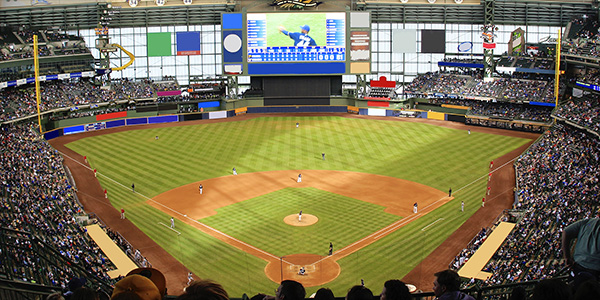
Follow the Chicago Cubs at historic Wrigley Field and secure verified tickets to experience thrilling Major League Baseball action.
Wrigley Field, affectionately known as "The Friendly Confines," is a historic gem located on the North Side of Chicago and home to the Chicago Cubs since 1916. Opened on April 23, 1914, as Weeghman Park, it stands as the second-oldest ballpark in the Major Leagues, surpassed only by Fenway Park. Its most distinctive features, such as the ivy-covered brick outfield walls planted in 1937, the manually operated center-field scoreboard, and the iconic red marquee at the entrance, give it a timeless charm. With a seating capacity of 41,649, the stadium is seamlessly integrated into the residential neighborhood of Wrigleyville, creating a unique symbiosis between the sport and the community. Attending a game here is not just about watching baseball; it's about participating in over a century of history and tradition, a truly authentic experience.
The Chicago Cubs stand as one of the most revered sports institutions in North America, embodying the quintessential charm of professional baseball since joining the National League as a charter member in 1876. Stationed within Chicago's vibrant Lakeview neighborhood, widely recognized as Wrigleyville, the franchise battles across the competitive NL Central division while uniting a worldwide community of loyal baseball followers.
The club's home ground is the historic Wrigley Field, an architectural treasure built in 1914 that preserves the authentic romance of baseball's early days. Renowned for its ivy-clad brick outfield walls, the iconic red marquee over Clark and Addison streets, and the hand-operated scoreboard high above center field, the venue accommodates approximately 41,649 spectators. Guests enjoy exceptional sightlines from standard grandstands to upgraded premium seating, providing a memorable vantage point for every inning.
Over nearly a century and a half of competition, the Chicago Cubs have produced unforgettable chapters in baseball lore. After claiming back-to-back World Series crowns in 1907 and 1908, the club authored one of modern sports' greatest redemption stories by capturing the 2016 World Series in a dramatic seven-game triumph. That championship validated decades of loyalty and etched a stellar roster of athletes permanently into the hearts of supporters.
Today, attending a Chicago Cubs matchup offers far more than elite athletic competition; it is a full-fledged cultural tradition. The shared rituals, the singing of 'Go Cubs Go' following victories, and the infectious energy circulating through the surrounding neighborhood establish an unmatched game-day journey for international travelers and dedicated fans alike.
The Chicago Cubs launched their National League Wild Card Series battle against the San Diego Padres at Petco Park, kicking off a pivotal postseason matchup.
The Chicago Cubs received their definitive Major League Baseball playoff timetable, confirming road games in San Diego to begin their October quest.
The Chicago Cubs completed their regular season interleague series against the Boston Red Sox following a venue relocation to Tropicana Field prompted by coastal weather.
The Chicago Cubs formally clinched their postseason berth following a decisive victory that guaranteed their position in the National League Wild Card Series.
The Chicago Cubs prevailed at Wrigley Field against the Milwaukee Brewers in a pivotal clash for the central division standings.
The Chicago Cubs demonstrated the impressive depth of their reserve roster, showcasing a balanced lineup that strengthened their late-season playoff push.
The Chicago Cubs silenced the Arizona Diamondbacks' offense behind an authoritative performance from their starting rotation at Chase Field.
The Chicago Cubs celebrated before their home supporters at Wrigley Field after edging the Chicago White Sox in a memorable local rivalry chapter.
Frequently asked questions about purchasing tickets